African Leaders
Innovation Africa is the Trusted Home for Africa's Education & ICT Innovation Champions
African Decision Makers
Innovation Africa has a long history of being the trusted home for key African officials to gather, meet stakeholders and take policy ideas back home. Governments now face simultaneous pressures to improve foundational learning, modernise curricula, prepare young people for rapidly changing labour markets, expand TVET and tertiary capacity, digitise teaching, improve teacher quality and incorporate artificial intelligence into education without widening existing inequalities. Join us in Harare to help ministers and officials meet these challenges.
“Innovation Africa has actually shaped our position. We have learnt that it is only in collaboration with all stakeholders and partners that we will be in a position to move forward.”
Hon Michael Makuei - Minister of ICT, South Sudan
What African Governments will be Implementing in 2027–2028
National Digital Education Ecosystems: The policy direction is towards integrated national platforms incorporating content, teacher services, data, assessment and learner access.
Government–University–Industry Partnerships: Establish policy and finance, provide talent and engage industry to supply technology and expertise.
TVET Repositioned as Economic Infrastructure: Governments are procuring equipment, simulation systems, competency-based curricula, industry certifications and Centres of Excellence.
Artificial Intelligence: AI is moving rapidly into education, government and policy. Governments require AI laboratories, teacher and student AI literacy, responsible-AI frameworks, robotics equipment and national AI skills.
Curriculum Reform Aligning with Technology: Competency-based education, digital assessment, learning analytics, STEM, entrepreneurship and AI literacy increasingly require new content, teacher retraining, digital examination systems and learning platforms.
STEM & Applied Science: Investment increasingly involve laboratories, simulation, engineering equipment, coding, robotics, computing and teacher capability.
Skills Investment: Explicitly connected to jobs. Numerous national projects increasingly tie funding to employment, industry participation and competencies.
Education Procurement: Becoming more ecosystem-based. The strongest opportunities often combine connectivity + devices + content + teacher training + assessment + support, rather than selling one isolated technology.
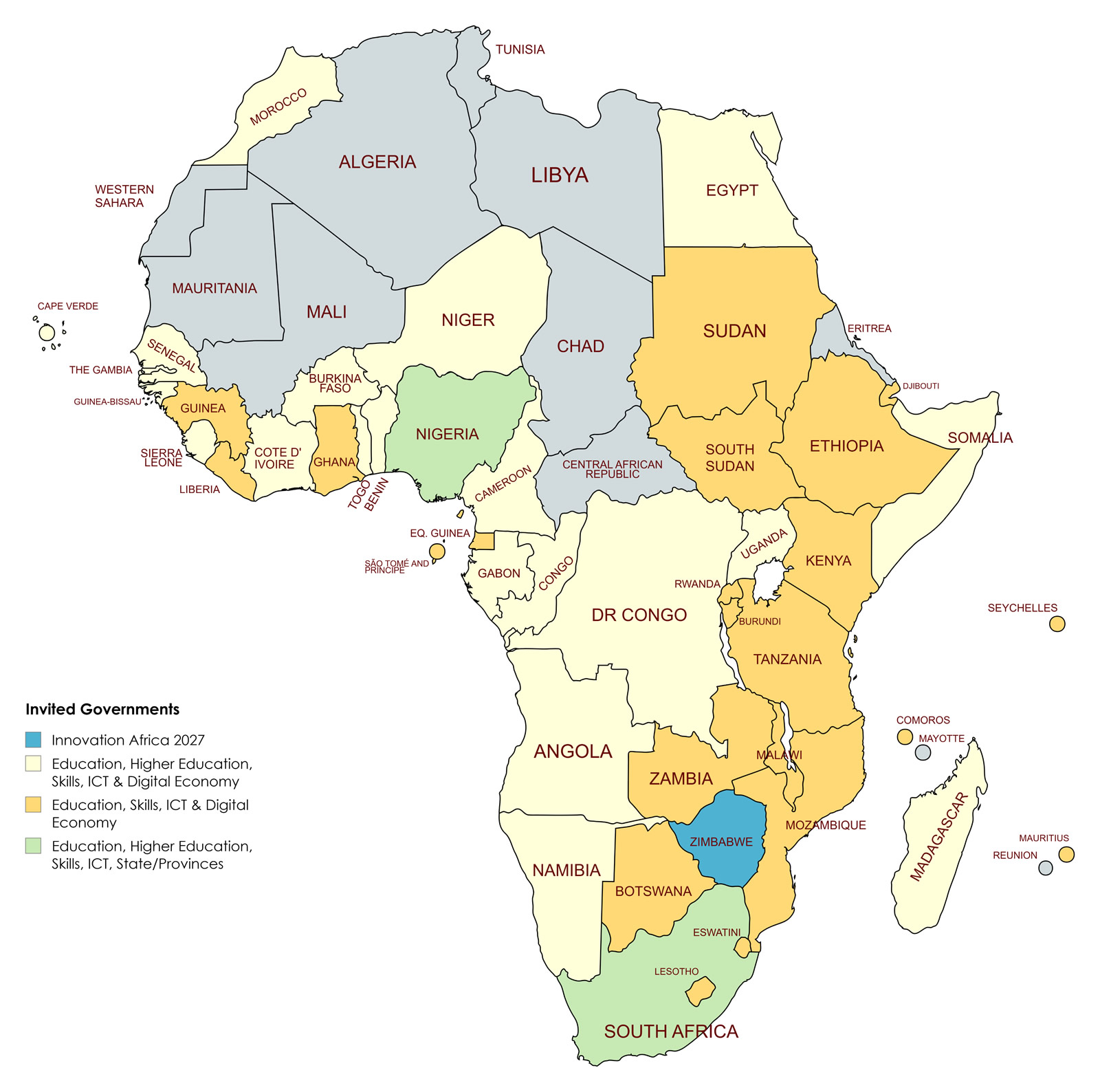
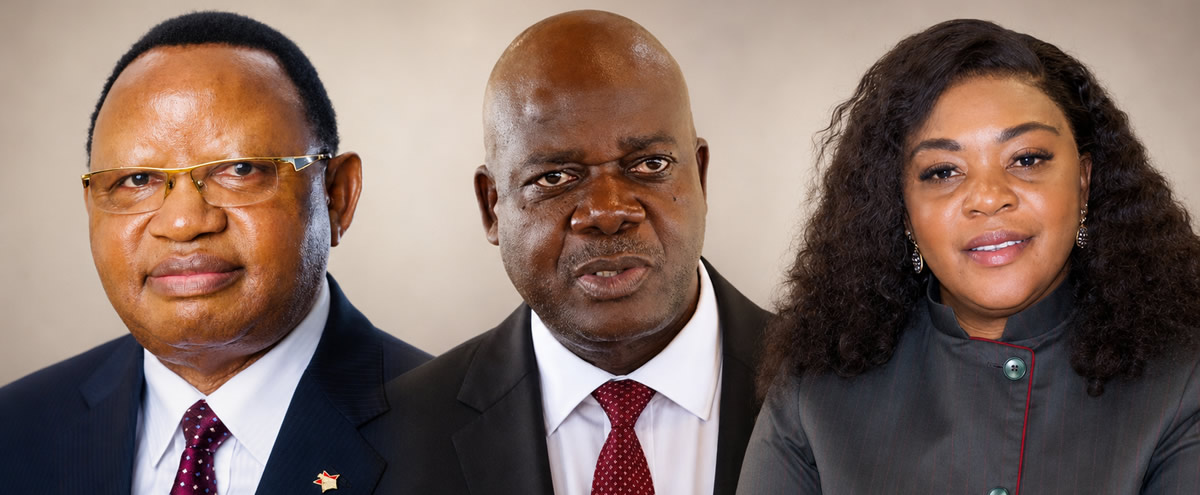
The host Zimbabwean ministers are personally inviting their African counterparts for Education, Higher Education, ICT and Digital Economy, Skills & Labour Development and Science & Technology from over 35 African countries. The biennial scheduling of Innovation Africa, allows time for projects to develop and increases ministerial attendance in keen anticipation of the next event in April 2027.
The scale of the underlying demand is extraordinary. UNESCO estimates that Sub-Saharan Africa requires another 15 million teachers by 2030 to meet universal primary and secondary education objectives. The World Bank estimates that more than 230 million jobs in Sub-Saharan Africa will require digital skills by 2030. Join us in Zimbabwe to meet these leaders.